Freedmen’s Bureau (1865–1872): Purpose, Schools, Records and Limits
What the agency did after slavery, where it succeeded and why its work ended.
The Freedmen’s Bureau was established on March 3, 1865, to assist refugees and formerly enslaved people after the Civil War. It offered relief, supervised labor agreements, supported education and preserved important family records. It was constrained by funding and political opposition and ceased operations in 1872.
This guide explains the Bureau’s roles, records, limits and connections to the wider Reconstruction era.
On this page — 20 topics
What was the Freedmen’s Bureau?
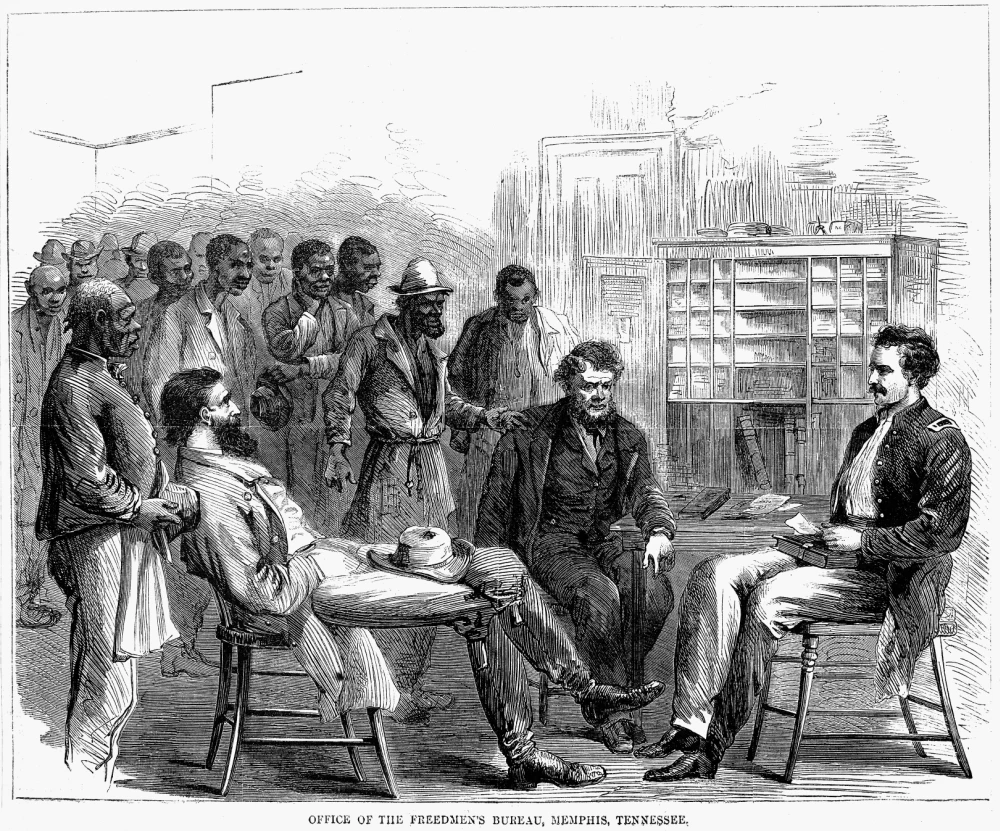
The Freedmen’s Bureau was a United States federal agency established in the final weeks of the Civil War to help people affected by the conflict, especially formerly enslaved African Americans. Its official name was the Bureau of Refugees, Freedmen, and Abandoned Lands. It operated within the War Department, linking relief work to federal officers and military authority. The Bureau supervised some abandoned property, offered food and medical help, handled labor complaints, and supported schools and family documentation. It did not govern every former Confederate community or enjoy unlimited power over local courts. Its importance comes from the attempt to make emancipation meaningful during an uncertain transition, when political leaders disagreed over how much federal intervention the South required.
Why was it created in 1865?
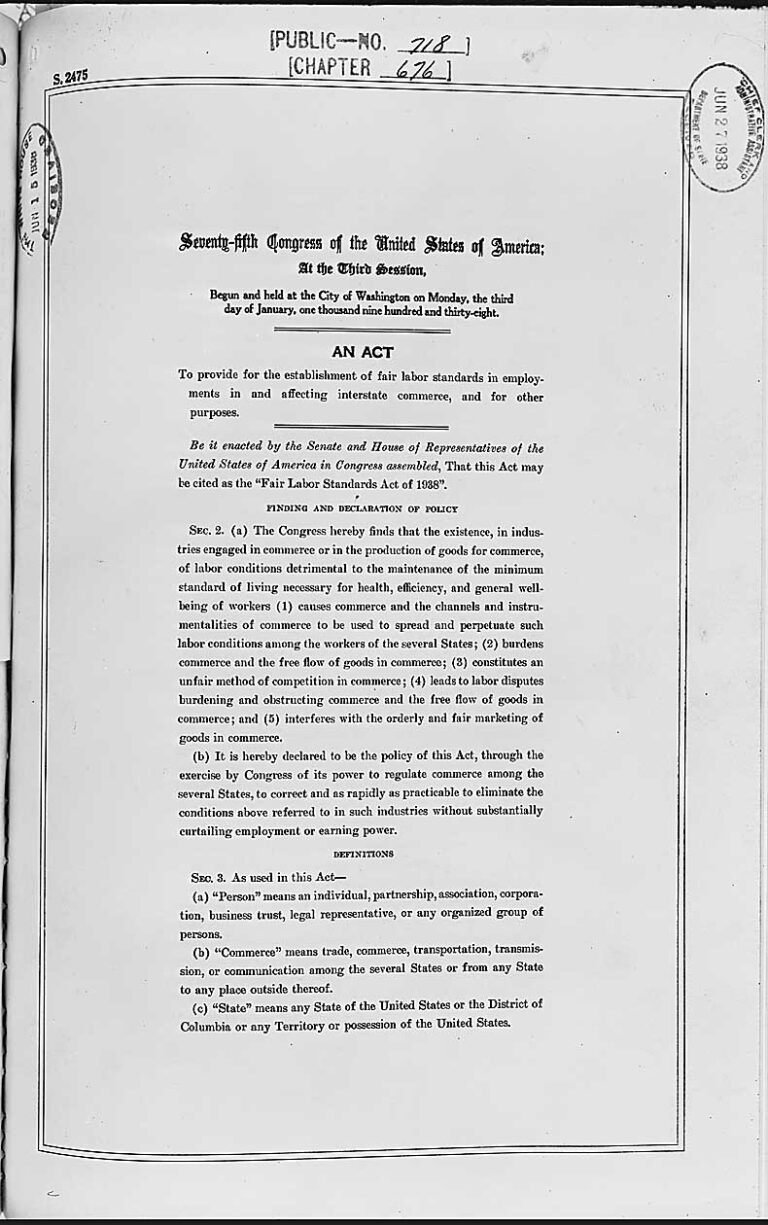
Congress passed the founding law on March 3, 1865, before Robert E. Lee surrendered and before Abraham Lincoln was assassinated. Federal soldiers already occupied Southern territory, and thousands of people leaving slavery needed assistance. Many families lacked food, dependable income, shelter and official documents. Local authorities could not be relied on to treat freedpeople fairly, particularly in districts where slavery had shaped every level of government. The new Bureau was designed to coordinate responsibilities that military commanders and Treasury officials had handled inconsistently. Its establishment was therefore part of wartime policy as well as postwar Reconstruction. The agency’s founding legislation expressed a national commitment, but Congress did not provide enough personnel or resources to solve every problem it encountered.
Who was Oliver Otis Howard?
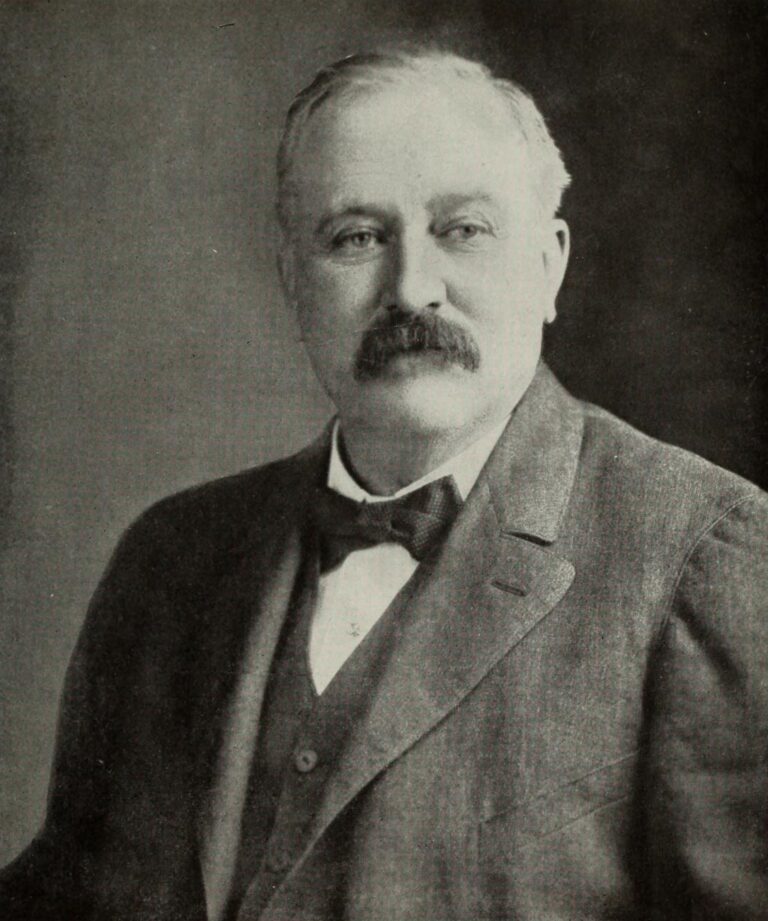
Major General Oliver Otis Howard was appointed commissioner of the Bureau in May 1865. He directed policy from Washington while assistant commissioners and local agents managed field offices in former Confederate states and other districts. The structure combined civilian relief concerns with military administration. Howard’s ability to enforce instructions depended on troops, available money, transportation and the changing attitude of federal politicians. Some agents actively challenged exploitation; others regarded the restoration of plantation labor as their main priority. Such variation helps explain why the agency’s reputation differed across communities. A county with an energetic officer and military support might experience useful intervention, while families elsewhere struggled to have complaints heard. Howard was an important leader but not the sole author of each local decision.
What kind of relief did it provide?
The Bureau distributed rations and clothing, operated or supported hospitals and camps, and helped displaced people obtain transportation. Its relief work extended to impoverished refugees, including white Southerners, although the needs created by emancipation made it especially important for Black families. War had devastated farms and infrastructure, reducing food production and disrupting trade. Assistance could prevent immediate hunger without changing ownership of land or guaranteeing steady employment. Decisions about eligibility and available resources differed across offices and over time. For this reason, a claim that every formerly enslaved family received identical aid would be inaccurate. Surviving ration registers and letters show the scale and variety of needs, and they provide historians with evidence about the daily consequences of military destruction.
How did the Bureau help open schools?
Education became an urgent goal for many freedpeople, whose opportunities for literacy had been systematically restricted under slavery. Black families, churches and community leaders organized classrooms and sought teachers, sometimes before federal help arrived. Bureau agents supported these initiatives by providing buildings, coordinating with benevolent organizations, and assisting teachers or school administrators. Progress was uneven because of scarce resources, demands on children’s labor and threats against schools. The agency did not single-handedly invent Black education after the war; local people supplied essential leadership, attendance and financial support. School reports, such as those from Vicksburg, document a strong demand for learning among adults as well as children. The Library of Congress Reconstruction teaching collection illustrates the work of such educational communities.
Did schools face resistance?
Yes. In some communities white supremacists intimidated students and teachers, damaged buildings or attacked people associated with Black education. The creation of a school could challenge local power relationships because literacy enabled greater independence in work, religious practice and politics. Bureau agents sometimes requested military protection or investigated incidents, but their capacity was limited. These dangers complicate accounts that measure success only by the number of classrooms opened. A family might want its children educated yet fear retaliation or depend on their help at work. Reports of enrollment also changed with seasons and local security. Studying both institutional statistics and community testimony gives a fuller account of educational progress and the barriers that remained after the formal abolition of slavery.
How did labor contracts work?
Many formerly enslaved people needed wages, housing and access to farmland, while plantation owners sought a labor force to continue agricultural production. Bureau agents often supervised contracts specifying pay, working conditions or crop shares. Written terms could offer evidence when workers complained that an employer had withheld compensation. But the parties rarely controlled equal resources. Landowners possessed property and often had influence over creditors, sheriffs and local courts. Some officials pushed workers toward long contracts rather than supporting more independent choices. A signed contract therefore cannot automatically be treated as proof of free and equal negotiation. These difficulties contributed to the later spread of sharecropping and other systems in which households could be legally free but remain economically dependent.
Did it give freedpeople forty acres and a mule?
No universal land grant of forty acres and a mule was delivered by the Freedmen’s Bureau. The phrase is associated with wartime policies, particularly General William T. Sherman’s Special Field Orders No. 15, as well as hopes for economic independence after slavery. The Bureau initially received responsibility for some abandoned and confiscated land, and a limited number of families gained access to particular parcels. However, President Andrew Johnson restored much property to pardoned former Confederates, sharply limiting redistribution. Most formerly enslaved households did not receive independent farms through federal action. The distinction matters because the failure to redistribute substantial land shaped later labor negotiations and poverty. It is misleading to portray a short-lived wartime promise as a nationwide Reconstruction benefit that every family could claim.
How did it help families reunite?
Slavery had separated spouses, parents and children through forced sale, migration and violence. Emancipation allowed many people to search for missing relatives, formalize marriages and establish households without a slaveholder’s authority. Bureau officers sometimes registered marriages, handled inquiries and helped arrange transportation. These records contain valuable personal names, relationships, locations and dates. Yet the agency could not locate everyone, and families also conducted searches independently through churches, newspapers and personal networks. The work shows that Reconstruction was as much about family life as legislatures and armies. For descendants, a marriage register or an agent’s letter may be the earliest surviving document connecting relatives who had been separated under slavery. The National Archives explains how to locate these materials.
What help did Black military veterans receive?
African American soldiers and sailors served in Union forces during the Civil War, but some faced obstacles claiming wages, bounty money and pensions. The Bureau assisted with applications, correspondence and proof of service in certain circumstances. Claims involving deceased veterans also required evidence of family relationships that slavery had not always recognized legally. Administrative help could be vital, yet delays, prejudice and incomplete records remained obstacles. The work connects military service to the wider debate over citizenship: men who helped preserve the United States expected the government to honor its obligations. Our 54th Massachusetts history explains one prominent Black regiment, while Bureau files show how the consequences of wartime service continued in household finances after 1865.
Could the Bureau protect people from violence?
Bureau offices received reports of assault, threats, discriminatory policing and unpaid wages. Some agents challenged local officials and requested help from military units. Their effectiveness depended on federal troop presence and the willingness of commanders to intervene. White supremacist violence could intimidate both Black communities and agents themselves. The Bureau was not a comprehensive national police force, however, and its officers often lacked the resources to investigate or enforce decisions. These limitations are central to understanding the difference between a legal guarantee and an enforceable right. Records of complaints are important evidence of conditions because they name individual workers, employers and officials. Researchers should compare the agent’s viewpoint with that of the person making the complaint wherever possible.
Why did Andrew Johnson oppose expansion?
President Andrew Johnson favored a relatively rapid restoration of Southern governments and opposed several congressional measures that increased federal oversight. In 1866 he vetoed legislation extending and strengthening the Bureau, citing constitutional and political objections. Congress eventually passed a revised extension over his veto. The dispute formed part of a larger confrontation over the federal government’s responsibility to secure freedom. Johnson’s critics pointed to restrictive Black Codes and violence as evidence that local authorities could not be trusted to protect freedpeople. Supporters of stronger federal measures argued that emancipation would have little practical meaning without access to courts, schools and fair employment. The controversy was therefore about the meaning of Reconstruction, not simply whether one agency should receive another budget.
How did the Bureau handle legal disputes?
Agents mediated disagreements over wages, property, marriage, apprenticeship and treatment by local officials. In some places federal authority supplemented or temporarily substituted for courts that denied Black people effective legal protection. But the Bureau’s procedures varied with local political conditions and the availability of military assistance. Some decisions favored freedpeople, while others reflected assumptions that agricultural labor must continue on terms acceptable to plantation owners. A letter showing an agent’s intervention is evidence of a dispute, not necessarily evidence that the complainant obtained justice. This distinction is particularly important for researchers studying individual cases. The files reveal how ordinary families tried to use new legal channels, even when the institutions administering those channels were limited or inconsistent.
Why was its record mixed?
The Bureau offered real help in education, family documentation, relief and veterans’ claims. At the same time it did not redistribute land widely, prevent all racial violence or create equal economic opportunities. Federal officials faced political resistance, inadequate funding and difficult relationships with local authorities. Some Bureau agents were sympathetic to Black independence while others prioritized the restoration of plantation production. The agency’s effectiveness also changed over time as Washington reduced its commitment. Calling it a complete failure erases the lives transformed by schools and legal records; calling it an uncomplicated triumph ignores people who remained vulnerable to exploitation. The strongest assessment examines each function separately and considers how freedpeople themselves organized improvements beyond what federal offices could accomplish.
When did the Bureau end?
The Bureau’s most extensive field operations occurred between 1865 and the late 1860s. Some responsibilities continued longer, particularly claims and documentation work. The agency was formally discontinued in 1872, several years before the conventional endpoint of Reconstruction in 1877. Its closure did not mean the South had resolved disputes over wages, schooling or political rights. The reduced federal presence reflected changes in legislation, political attention and administrative priorities. At the same time the Fourteenth and Fifteenth Amendments had added constitutional guarantees. This overlap demonstrates why the era cannot be divided into one period of uninterrupted progress followed by a sudden reversal: institutions expanded, contracted and faced opposition at different moments.
Why are Freedmen’s Bureau records valuable today?
The National Archives holds extensive Bureau records in Record Group 105, including labor agreements, school registers, marriage documents, complaints, correspondence and veterans’ claims. They can be invaluable for African American family history because slavery often disrupted ordinary birth, marriage and property records. Researchers should begin with a known state, county or family name and compare findings with census records and newspapers. Spelling varied widely and common names may refer to different individuals. It is risky to assume that a record mentioning a surname proves a family relationship without additional evidence. Historical analysis also benefits from these documents because they show the diversity of individual experiences hidden behind national summaries. The Smithsonian’s Bureau Records initiative explains their ongoing importance.
What is the Bureau’s lasting legacy?
The agency marks an early federal effort to connect freedom with basic social support and enforceable legal rights. It helped people build schools, obtain documentation and navigate the transition to paid labor after enslavement. Its limits revealed how difficult it was to transform a society in which landowners retained wealth and political influence while millions of freedpeople lacked resources. Many of the same questions—equal treatment in courts, access to education, family security and the meaning of citizenship—continued through Reconstruction and far beyond. The Bureau is best understood neither as a simple charitable institution nor as a modern welfare system. It was a contested wartime and postwar administrative experiment whose surviving records document both aspiration and persistent inequality.
Freedmen’s Bureau timeline
| Date | Event |
|---|---|
| March 3, 1865 | Congress creates the Bureau. |
| May 1865 | Oliver O. Howard becomes commissioner. |
| 1865–1866 | Field offices expand relief, labor supervision and school support. |
| July 1866 | Congress strengthens and extends the Bureau despite Johnson’s veto. |
| 1872 | The Bureau closes. |