Latest stories
History worth reading now.
New articles from across the ancient world, the Middle Ages, the early modern period and modern history.
Newest from Passion for History
Updated as new stories publish
-
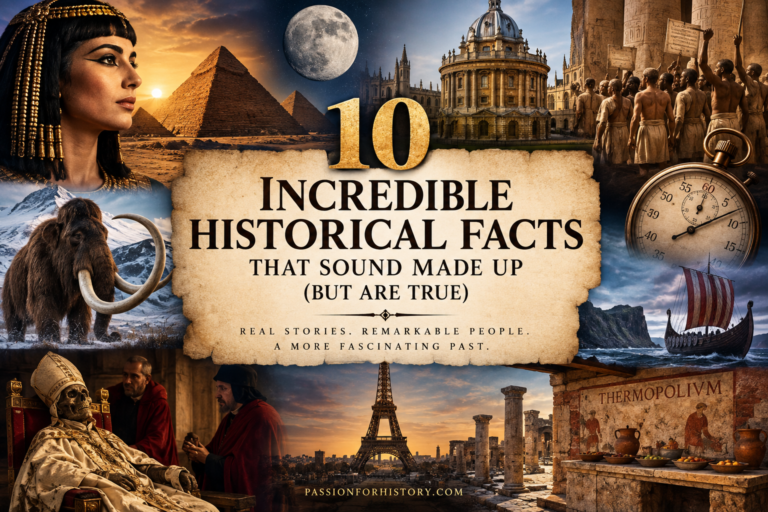
10 Incredible Historical Facts That Sound Made Up (But Are True)
Ten verified historical facts that sound impossible—from Cleopatra’s surprising place on the timeline to Vikings in North America and Pompeii’s ancient snack bars.
-
Ancient Pompeii Had at Least 80 Snack Bars
Pompeii contained at least eighty thermopolia—street-side establishments serving prepared food and drinks from counters fitted with large jars.
-
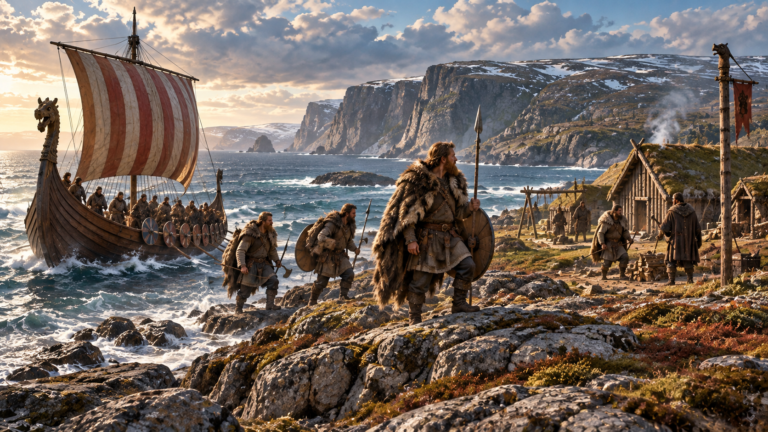
Vikings Were in North America in the Year 1021
Tree-ring and radiocarbon evidence has established that Norse people were active at L’Anse aux Meadows in Newfoundland in exactly 1021 CE.
-
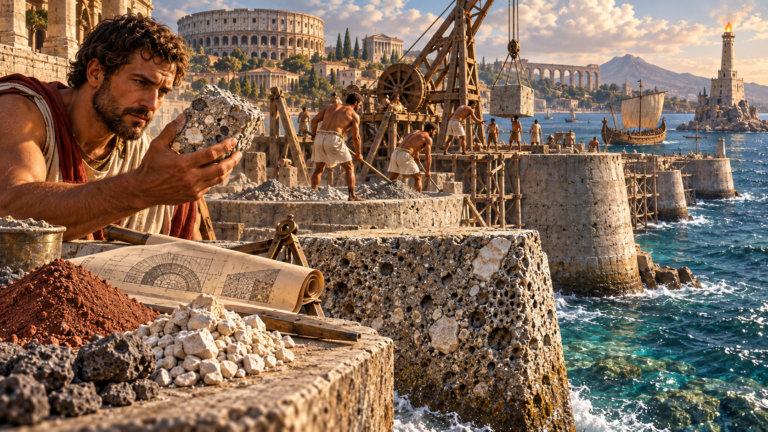
Why Ancient Roman Concrete Can Survive for Thousands of Years
Modern research suggests that Roman builders used hot mixing with quicklime, creating concrete capable of chemical reactions that can help seal cracks.
-
The Eiffel Tower Was Supposed to Be Dismantled After 20 Years
The Eiffel Tower was originally expected to stand for only 20 years. Scientific experiments and radio communications helped save it from dismantling.
-
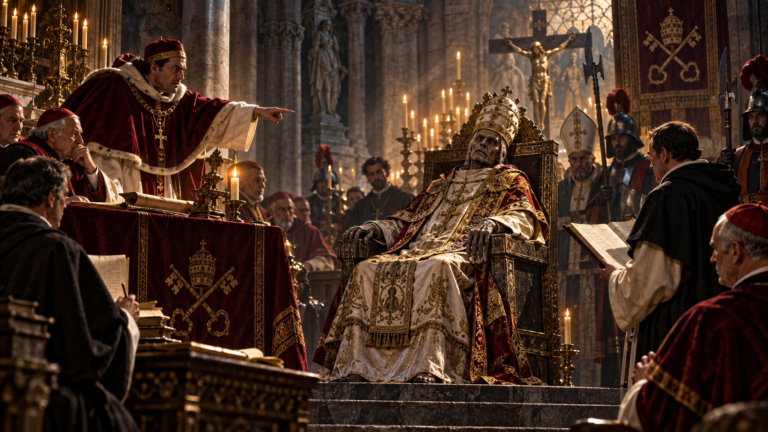
In 897, a Dead Pope Was Put on Trial
In one of medieval Europe’s strangest political episodes, the corpse of Pope Formosus was exhumed, dressed in papal robes and placed on trial in Rome.
-
Woolly Mammoths Were Still Alive After the Great Pyramid Was Built
A remnant population of woolly mammoths survived on Wrangel Island until roughly 4,000 years ago—centuries after the Great Pyramid of Giza was built.
-
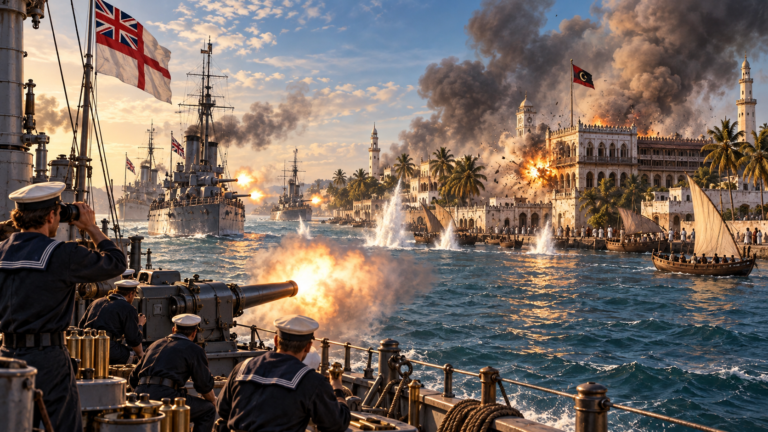
The Shortest War in Recorded History Lasted Less Than an Hour
The Anglo-Zanzibar War of 27 August 1896 lasted roughly 38 to 45 minutes, depending on how its beginning and end are measured.
-
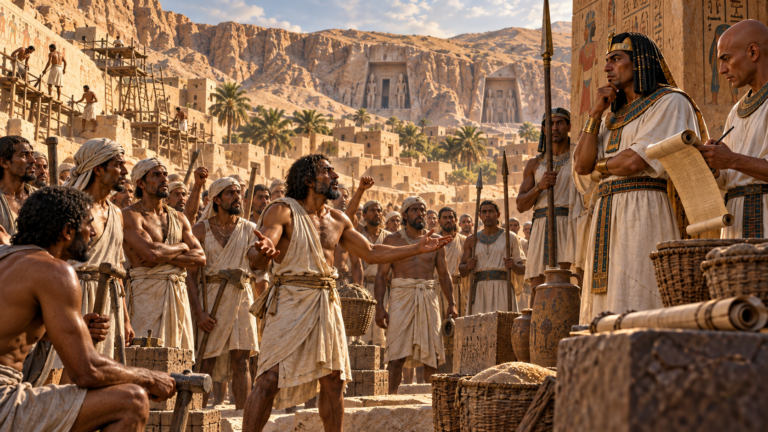
The First Recorded Labor Strike Happened in Ancient Egypt
Around 1157 BCE, workers at Deir el-Medina stopped work after their food rations were delayed, leaving behind the earliest documented labor strike.
-
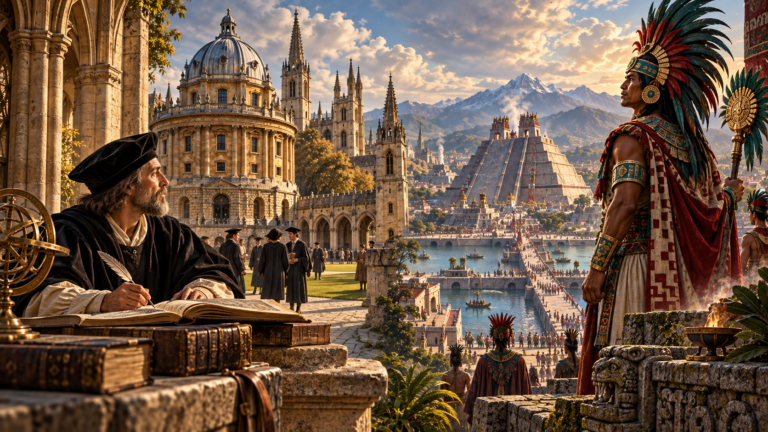
Oxford University Is Older Than the Aztec Empire
Teaching existed at Oxford by 1096, centuries before the Aztec Triple Alliance created the empire that dominated central Mexico.
-
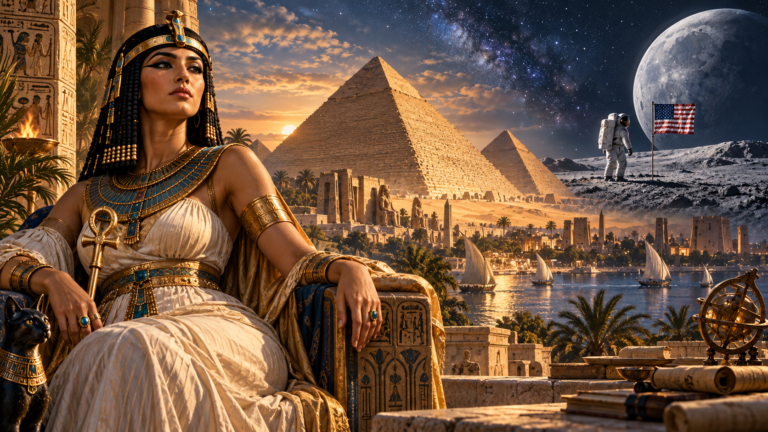
Cleopatra Lived Closer to the Moon Landing Than to the Great Pyramid
Cleopatra VII lived more than 2,500 years after the Great Pyramid was built—but only about 2,000 years before Apollo 11 landed on the Moon.
-
👑 The Forgotten Queens of the Middle Ages
🏰 Introduction: Power Behind the Throne When we think of medieval queens, we often picture fairy tale brides or tragic consorts in the shadows of powerful kings. But history tells a more fascinating truth. Many queens of the Middle Ages ruled with intelligence, courage, and ambition — influencing politics, leading armies, and even seizing power…
-
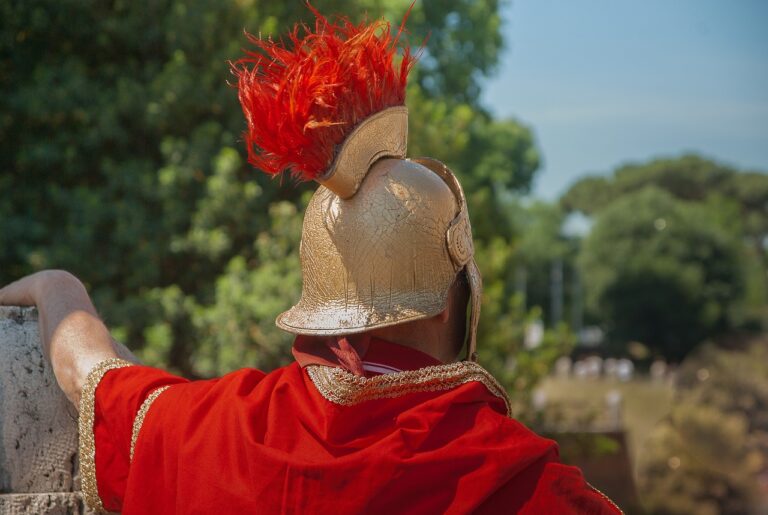
A Day in the Life of a Roman Soldier
Introduction The Roman legions were among the most formidable military forces in history. But behind their battlefield victories lay a daily life of strict discipline, relentless training, and a brotherhood forged through shared hardship. What did a typical day look like for one of these soldiers? Let’s step into the boots of a legionary stationed…
-
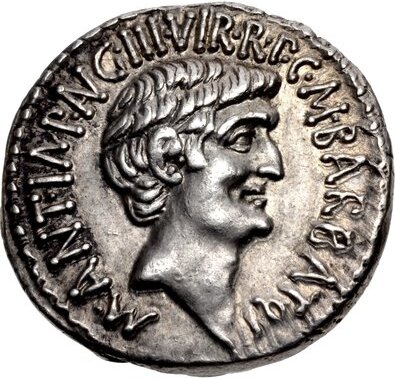
Mark Antony: The Roman Leader Who Fell Short of Power
A brilliant soldier and Julius Caesar’s most loyal ally for years, Mark Antony appeared poised to become Rome’s new leader after his mentor’s assassination. However, his missteps in governance, disregard for the rising Augustus, indulgence in luxury, and his affair with Cleopatra ultimately led to his downfall. Perhaps, as Mark Antony lay mortally wounded by…
-
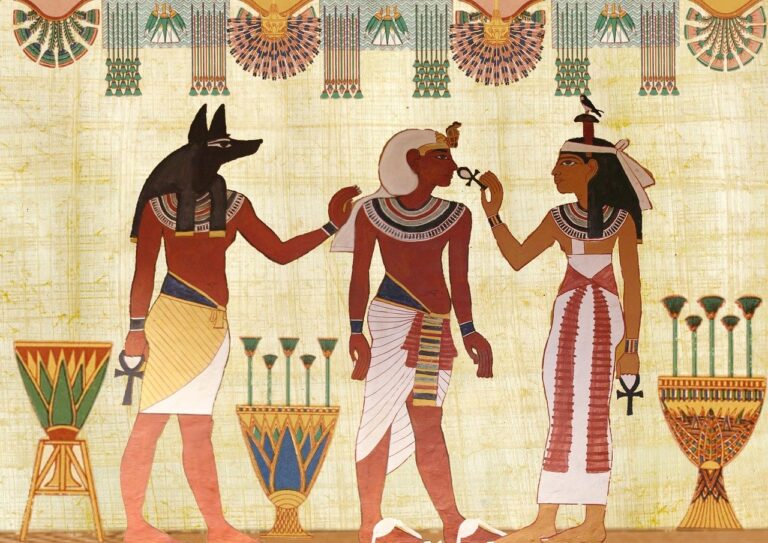
The life of an Egyptian nobleman favored by the pharaoh.
In the land of the Nile, those fortunate enough to attend the palace school embarked on a career in state service, with the potential to rise to the position of vizier, or prime minister. A lavish tomb marked their success in life. We often envision Egyptian society as static, with children inheriting their fathers’ trades…
-
Roman Britain: The Empire’s Influence on the Isles
For four centuries, thousands of legionaries defended the empire’s most remote frontier, until, after the great barbarian invasions, Britain was left abandoned. Around 410 AD, the citizens of Britain appealed to the Roman Emperor Flavius Honorius for assistance against the barbarian invasions that had been ravaging their lands since the mid-4th century. However, the emperor…
-
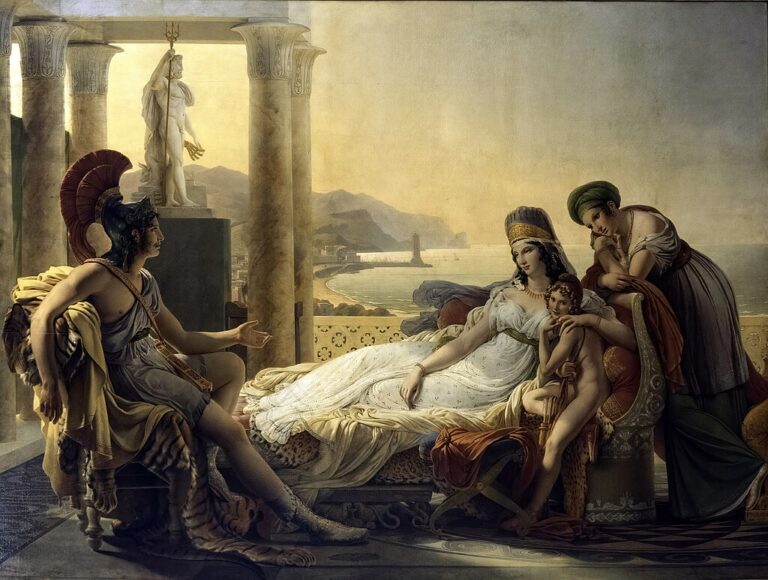
Who is Dido: history of the queen of Carthage
Dido, a symbolic figure in Roman mythology and the central character in Virgil’s Aeneid, represents a narrative filled with passion, tragedy, and resilience. As the founder and first queen of Carthage, her story is closely connected to themes of love, sacrifice, and fate. According to legend, Dido was the daughter of Belus, sister of Pygmalion,…
-
The First World War: Causes, Alliances, and Key Figures
The First World War, also known as the Great War, erupted in 1914 due to a complex web of political, economic, and social tensions. Its immediate trigger was the assassination of Archduke Franz Ferdinand of Austria-Hungary, but the underlying causes included militarism, nationalism, imperial rivalries, and a tangled system of alliances that drew multiple countries…
-
Great Depression of 1929: causes and characteristics of the economic crisis
The Great Depression of 1929: history, causes and consequences of the 1929 crisis in the United States: from the Wall Street crash to the New Deal The Global Impact of the 1929 Economic Crisis By the late 1920s, the world appeared to be moving past the traumas of World War I. Diplomatic relations between major…
-
A Brief Summary of Absolutism and English Society in the Early Seventeenth Century
In early 17th-century England, Absolutism began to take shape under the rule of James I Stuart (1603-1625), who believed in the divine right of kings. This created growing tensions between the monarchy and Parliament, as James sought to centralize power while Parliament defended its role in governance. Religious divisions also deepened, particularly between Puritans, who…
-
Charles I and His Tense Relationship with Parliament
When Charles I ascended to the throne in 1625, following the death of his father, James I, the delicate balance of power between the monarchy and Parliament quickly began to unravel. Charles’ reign (1625-1649) was marked by frequent clashes with Parliament, which stemmed from deeper tensions regarding authority and governance. Unlike his father, who had…
-
Five intriguing facts about Machu Picchu
Machu Picchu, one of the New 7 Wonders of the World, ranks as a premier travel destination in South America. Nestled majestically within the Andes at an altitude of 7,000 feet, it is not only a breathtaking sight but also one of the most mysterious archaeological sites in the world. Constructed at the height of…
-
5 Incredible Facts About Napoleon
Napoleon Bonaparte (1769–1821) was a French military leader and emperor who rose to prominence during the French Revolution. Known for his strategic genius, he led France in numerous successful campaigns across Europe, eventually crowning himself Emperor in 1804. Napoleon implemented significant reforms in law, administration, and education, most notably through the Napoleonic Code, which influenced…
-
The barbarian invasions: chronology, battles and protagonists
The barbarian invasions: chronology of the raids that led to the fall of the Western Roman Empire. History, battles and protagonists By the expression barbarian invasions, historians mean the series of raids that peoples united by the fact that they were not Romans and defined as barbarians carried out within the borders of the Roman…