Crop-Lien System After the Civil War: Farm Credit and Debt Explained
How farmers pledged future harvests and why merchant credit could become a cycle of debt.
The crop-lien system allowed Southern farmers to obtain food and planting supplies on credit by pledging a future harvest as repayment. It spread after the Civil War when cash and bank loans were scarce. It helped farms operate but often exposed landowners, tenants and sharecroppers to high costs and recurring debt.
This guide distinguishes a crop lien from sharecropping and examines merchants, contracts, cotton prices and historical accounts.
On this page — 21 topics
What was the crop-lien system?
The crop-lien system was a form of agricultural credit that spread through the Southern United States after the Civil War. Farmers borrowed goods or money before harvest, using a legal claim on their future crop as security for repayment. It became common because many households lacked cash to buy seed, food, animals and tools at the start of the growing season. Rural merchants could supply those necessities in exchange for a lien that entitled them to repayment from the crop’s proceeds. The system helped keep agriculture operating when banks were scarce, but high prices, weak harvests and unfair accounting could trap families in recurring debt. It affected landowning farmers and tenants as well as sharecroppers, so it was not identical with sharecropping itself.
Why did the system develop after 1865?
Southern banks and transportation networks had been damaged by the Civil War, and many farms needed equipment and labor arrangements suited to emancipation. Landowners often had property but little ready money, while formerly enslaved workers and poor white families generally lacked land or collateral. Farmers needed seed and food months before crops could be sold. Country merchants became important lenders because they were close to rural communities and could supply goods directly. The legal ability to pledge a future harvest offered a way to borrow when a farmer could not pledge valuable land or savings. The system arose from economic scarcity rather than a single federal Reconstruction law, and it took different forms across cotton, tobacco and other agricultural regions.
What is a lien on a future crop?
A lien is a legal claim used to secure payment of a debt. Under crop-lien arrangements, a merchant advanced supplies and received an interest in the crop the farmer expected to grow. When the harvest was sold, proceeds were used to settle the debt before the household received whatever remained. The lien did not necessarily mean the merchant owned the entire farm or that every person involved had identical contractual terms. It gave the creditor a strong claim on the produce, which could affect where and to whom the farmer sold it. This legal arrangement mattered because a crop might be the only asset a tenant could offer. Its value was uncertain until the growing season ended.
How did a typical transaction work?
Early in the year, a farm household might need flour, clothing, seed, tools and fertilizer. A local store agreed to provide those goods on credit, with repayment due after the cotton harvest. The store recorded the value of each advance and might charge an additional credit price or interest. After harvest the cotton was weighed, marketed and credited against the account. If proceeds exceeded the charges, the farmer received a balance; if they did not, the remaining debt might carry into the next season. These were general patterns rather than a single national formula. The exact account depended on the contract, crop, creditor and local market. Historical store ledgers can reveal how particular arrangements worked.
How was the crop lien connected to sharecropping?
A sharecropper cultivated someone else’s land and paid the owner with a portion of the harvest. Many sharecroppers also depended on merchants or landlords for credit before the crop came in. The sharecropping arrangement determined how the produce was divided with the landowner; a crop lien determined what part of the grower’s proceeds was pledged to repay a creditor. These obligations could overlap but were not legally the same thing. A farmer who owned land could also use crop-lien borrowing, while a tenant with sufficient savings might avoid some advances. Making the distinction helps explain why debt became widespread even beyond the poorest class of agricultural laborers.
Why were country stores so powerful?
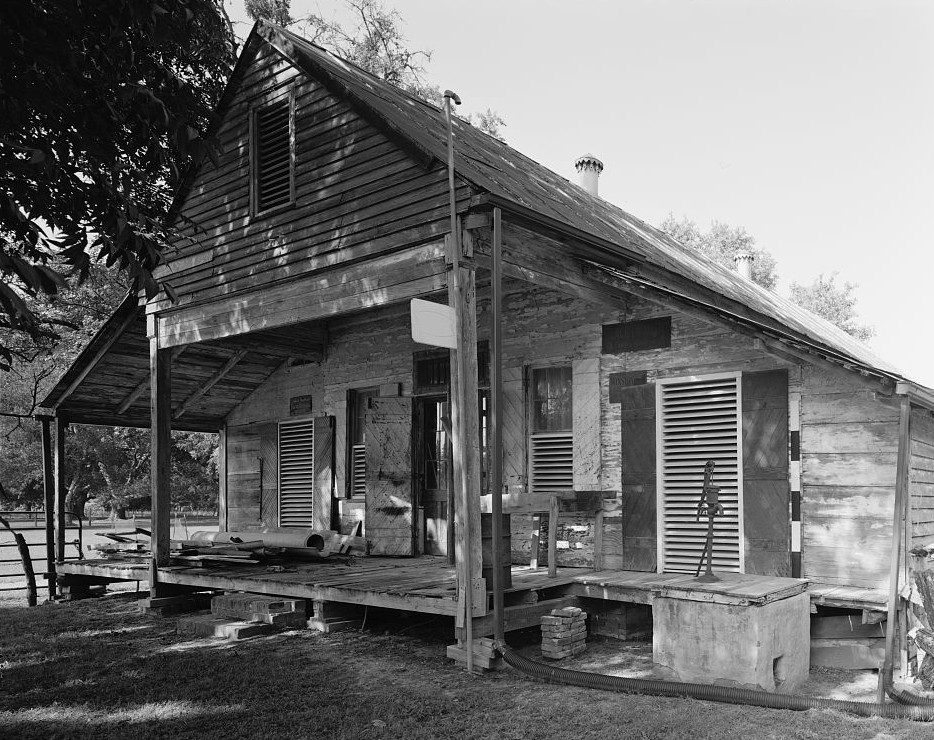
Rural communities often lacked nearby banks and had limited transportation, making general stores crucial sources of food, tools, seed and credit. Merchants knew local customers and could supply goods throughout the growing season. That position gave them influence over production and marketing. The Oakland Plantation store in Louisiana, photographed in this article, is a surviving example of a store serving an agricultural community during the postwar period. National Park Service research documents how such stores became financial centers as well as retailers. The building itself does not prove every transaction was exploitative. It demonstrates the institutional setting in which storekeepers, landlords and farmers negotiated accounts and credit over many years.
How did merchants calculate interest?
Credit arrangements could involve stated interest charges, higher prices for goods bought on account, fees or combinations of these. In some areas merchandise sold on credit cost substantially more than the same goods purchased with cash. This made a household’s debt larger before harvest even when no additional money changed hands. Interest rates and practices varied widely, and historical studies caution against assuming one merchant’s terms represented all Southern stores. The National Park Service’s study of Prud’homme’s Store describes a differentiated cash-and-credit price system and examines actual plantation accounts. Such documents are particularly useful because they show what was charged instead of relying only on general claims about rural exploitation.
Why could debt continue for years?
A crop was vulnerable to bad weather, insect damage, illness and changes in market prices. A poor harvest might generate less income than a family owed, while the next planting season required new advances. Some merchants carried the unpaid balance forward, adding it to the new year’s account. Over time the household could become dependent on the same creditor for food and farm supplies. Even a fairly successful harvest might leave little surplus after rent, equipment costs and store charges. Not every farmer remained permanently indebted, but families with limited assets faced a serious disadvantage. The system turned ordinary agricultural risks into recurring financial obligations that could shape decisions about work, movement and schooling.
Why did cotton dominate the system?
Cotton was an export crop with established buyers, making it attractive to merchants who expected repayment from sales proceeds. A lien secured against cotton could be easier to value and collect than one based on small quantities of household food production. Creditors therefore sometimes encouraged farmers to plant more cotton instead of corn or other crops needed for their families. This could increase dependence on store-bought food, requiring further borrowing. Declining cotton prices added pressure during several postwar decades. Yet the crop-lien system was not confined to cotton; similar arrangements existed in other crops and regions. Its connection to cotton was especially strong because of the crop’s commercial importance in the postwar Southern economy.
Could a crop lien affect landowners too?
Yes. A small farmer who owned land might still lack cash to buy seed and necessities, particularly after repeated poor harvests. Such a farmer could borrow against the expected crop while retaining ownership of the land. Landowners had different bargaining resources from tenants, but they were not insulated from low cotton prices or merchant debt. In difficult circumstances they might eventually lose their property or become tenants themselves. This is one reason historians treat crop liens as a regional agricultural credit system rather than simply a rule imposed on formerly enslaved families. Racial discrimination compounded the problems of Black farmers, but debt and market vulnerability also affected many white rural households.
Was the crop-lien system a form of slavery?
A crop lien was not itself the legal ownership of a person. Farmers and tenants could enter contracts and held rights different from those of enslaved people before 1865. However, coercion and abusive enforcement could create conditions of extreme dependency, and some arrangements intersected with illegal forced labor or peonage. The distinction matters historically. Calling every lien an instance of chattel slavery erases emancipation’s legal transformation; denying the possibility of serious coercion overlooks the harm done when creditors controlled necessities and local authorities sided with them. Researchers should assess the actual legal obligations, freedom to leave, enforcement practices and evidence of threats in each case rather than assign a single label to every agricultural credit transaction.
What happened when cotton prices fell?
Lower cotton prices reduced the cash available to repay an advance. Merchants could still demand the amount recorded on the account, leaving the grower with a larger unpaid balance. Falling prices might also encourage households to plant more cotton to make up for reduced income, increasing total supply and prolonging market pressure. These dynamics were especially difficult for people who depended on borrowed goods for everyday consumption. Economic crises, including the Panic of 1873 and subsequent downturns, contributed to an unstable postwar environment. The effect of prices varied with local yields, contracts and other income sources, but the fundamental risk was clear: a debt set before harvest might not shrink when the value of the harvest declined.
How did the system affect family choices?
A family carrying debt might have limited ability to move to another county, change crops, buy schooling materials or save toward land ownership. Children often participated in labor during planting or harvesting because the household needed sufficient production to settle accounts. Women managed household supplies and sometimes negotiated store credit while also contributing to agricultural work. Community networks could provide informal support, but access to a single merchant might make a household vulnerable to that creditor’s decisions. These patterns did not eliminate individual agency: families sought better terms, moved when possible and created churches and schools. The crop-lien system nonetheless placed financial pressure on daily life well beyond the final calculation at harvest.
How did record-keeping shape disputes?
Store ledgers and plantation accounts recorded quantities, prices, advances, crop deliveries and outstanding balances. Such books can be excellent primary sources, but they often preserve the creditor’s perspective more clearly than the farmer’s. Disputes arose over weights, interest, store prices and whether deductions had been properly recorded. A person with limited literacy might have difficulty checking entries, while even literate workers could face unequal bargaining power. Historians therefore compare ledgers with contracts, correspondence, court records and oral histories. A single surviving account should not be treated as proof that every transaction was fair or unfair. Its value lies in the detail it provides about one relationship in a wider economic system.
What happened at Prud’homme’s Store in Louisiana?
Prud’homme’s Store at Oakland Plantation in Louisiana became an example of the postwar country store’s combined retail, credit and community functions. The National Park Service’s historic structure report traces its development and examines plantation accounts involving tenants and croppers. That research suggests that terms and outcomes at Oakland varied and that some tenants received year-end payments rather than always ending in debt. This is an important reminder not to treat every Southern merchant as identical or every crop lien as producing the same result. The building was altered over time and later served additional functions. Its preservation offers a setting for understanding a credit system that can otherwise seem abstract when described only through percentages and legal terms.
Did the system persist into the twentieth century?
The crop-lien system remained important long after Reconstruction’s conventional endpoint in 1877. Sharecropping, tenancy and merchant credit continued across the rural South into the twentieth century. New technologies, migration, changes in crop markets and federal agricultural policy gradually transformed these arrangements. In some districts, families remained dependent on local stores for supplies despite changes in political administration. Understanding this longer history prevents the misconception that the end of military Reconstruction also ended the region’s economic problems. The system influenced debates about farmers’ political organizations and rural reform, and its effects can be traced in family accounts and agricultural censuses long after the original crop-lien laws appeared.
How can readers investigate local crop liens?
Useful evidence includes county lien records, agricultural schedules, store ledgers, contracts and newspaper advertisements. The National Park Service has published studies of plantation stores and the wider labor history of the United States. Local archives may preserve books identifying specific families, purchases and harvests, but names and dates require corroboration. Researchers should ask who owned the land, which crops were pledged, what goods were advanced, how repayment was calculated and whether debt carried into later years. Those details determine whether a particular agreement was sustainable. The National Park Service’s Oakland store page and related historic reports provide an accessible starting point for interpreting a surviving agricultural credit institution.
Why does the crop-lien system matter to Reconstruction?
The system shows how economic freedom could remain limited after the abolition of slavery. Constitutional amendments changed legal status, but they did not give all families land, capital or affordable credit. Many farmers entered the market with little reserve against bad weather or falling prices. Crop liens allowed agriculture to restart yet gave creditors strong claims over future earnings. Their consequences affected both Black and white rural Southerners, while racial discrimination created additional barriers for Black communities. Studying credit alongside Reconstruction’s political history makes clear that citizenship and voting rights were essential but did not alone settle questions of ownership, debt or economic independence.
Crop-lien history timeline
| Period | Development |
|---|---|
| 1865 | Civil War ends; credit and money remain scarce across Southern farms. |
| Late 1860s | Crop-lien laws and merchant lending expand. |
| 1870s | Country stores become central credit providers in rural districts. |
| Late 1800s | Debt dependence persists alongside low and fluctuating cotton prices. |
| 1900s | The system continues but changes with technology and agriculture policy. |