Casablanca Conference of 1943: Roosevelt, Churchill and Unconditional Surrender
Why Allied leaders met in Morocco in January 1943, chose Sicily as a next target and publicly demanded the Axis powers’ unconditional surrender.
Quick answer
The Casablanca Conference took place in French Morocco from January 14 to 24, 1943. Franklin D. Roosevelt and Winston Churchill met with senior American and British military officers to coordinate Allied strategy after the successful landings in North Africa. They planned continued Mediterranean operations, including an invasion of Sicily, debated bombing and preparations for a later cross-Channel invasion, and sought greater French unity. At its closing press conference, Roosevelt publicly announced the goal of the Axis powers’ unconditional surrender. Joseph Stalin did not attend because of the war on the Eastern Front.
Key facts
On this page
- Why Casablanca became the meeting place
- Roosevelt’s journey to French Morocco
- Why Stalin was not present
- The arguments over an invasion of western Europe
- Why the Allies chose Sicily as a target
- The Allied strategic bombing campaign
- French leadership: Charles de Gaulle and Henri Giraud
- The announcement of unconditional surrender
- How Roosevelt explained the policy
- Decisions concerning the Pacific war
- What the conference changed in 1943
- Casablanca’s place in the sequence of Allied conferences
- Timeline
- FAQs
- Sources
Why Casablanca became the meeting place
American and British troops had landed in French North Africa during Operation Torch in November 1942. Their advance changed the strategic situation in the Mediterranean while the war against Axis forces continued in Tunisia. Casablanca offered a location within newly secured Allied territory where senior commanders could discuss the next stage without traveling to Europe. The meeting was code-named SYMBOL and took place with extensive security arrangements around the Anfa Hotel area.
The conference was not a summit of every Allied government. Britain and the United States dominated its military planning, while the Soviet Union was engaged in the decisive struggle around Stalingrad. Choosing a North African venue reflected both the recent Allied success and the unresolved campaign against Axis forces in Tunisia. The location also underscored the importance of French colonial territory, which was politically contested during the war.
Roosevelt’s journey to French Morocco
Roosevelt traveled a considerable distance to attend, making a wartime presidential journey unusual for its secrecy and logistics. He arrived while American forces were still building their position in North Africa. Churchill likewise needed reliable communications and protection while coordinating Britain’s global military commitments. Both leaders brought advisers, military officers and officials whose specialist discussions would shape the final recommendations.
The meeting was not a ceremonial appearance arranged merely for photographs. Participants reviewed the availability of ships, landing craft, air power and supplies for future operations. A plan that appealed to one commander could appear impractical to another because the Allies had limited transport resources and competing theaters. The summit served as a means of resolving those disagreements at the political level.
Why Stalin was not present
Joseph Stalin was invited but declined to attend because the fighting against German armies in the Soviet Union required his presence. The Soviet leadership had been calling for a major second front in western Europe to relieve pressure on the Red Army. At Casablanca American and British representatives therefore discussed strategy without a Soviet leader at the table, although the consequences of their choices were directly relevant to Soviet interests.
Stalin’s absence matters when interpreting claims about Allied consensus. A decision reached by Roosevelt and Churchill could influence Soviet expectations without being an agreement personally negotiated by all three leaders. The first full wartime meeting of Roosevelt, Churchill and Stalin occurred later at Tehran in 1943. Casablanca was primarily an Anglo-American planning summit with important implications for the wider coalition.
The arguments over an invasion of western Europe
American commanders wanted a strategy that would defeat Germany as directly and quickly as possible and regarded a cross-Channel operation as essential. British leaders emphasized the practical challenge of landing a large force in occupied France before sufficient vessels, air strength and trained soldiers were ready. They favored exploiting the Mediterranean position and keeping German and Italian forces under pressure in regions where Allied troops were already established.
These views were not simply personal quarrels between Roosevelt and Churchill. Allied staff officers analyzed shipping, weather, combat experience and the dangers of an unsuccessful amphibious assault. The result was continued preparation for a later invasion of France while immediate resources remained focused on the Mediterranean. This strategic debate helps connect Casablanca with the Normandy invasion in 1944 without pretending the final D-Day plan was already settled in January 1943.
Why the Allies chose Sicily as a target
After the North African campaign, Allied leaders needed to decide where experienced troops and available landing craft could be used next. An invasion of Sicily offered opportunities to weaken Italy’s position in the Axis alliance, secure Mediterranean shipping routes and continue pressure on German forces. American and British commanders agreed that a campaign against Sicily was a practical next step while larger plans for western Europe developed.
The Allied invasion of Sicily, Operation Husky, began in July 1943. Its timing should be distinguished from the conference’s date; the landings occurred months after the leaders met. The campaign contributed to the political crisis that ended Benito Mussolini’s first period in power, although the war in Italy continued for nearly two more years. Casablanca helped set the strategic direction rather than bringing immediate Axis surrender.
The Allied strategic bombing campaign
The conference also considered bombing operations against Germany, seeking to combine American daylight attacks with British night bombing. Allied leaders believed attacks on industrial capacity, transportation and military infrastructure could weaken Germany’s war effort while ground forces prepared for future operations. The combined bombing policy reflected the expanding reach of American air power and Britain’s previous experience in conducting raids from bases in the United Kingdom.
Bombing decisions carried considerable human consequences. Industrial sites frequently lay within or near cities, and civilians were killed in large numbers during the wider air war. The policy cannot be evaluated only by citing aircraft sorties or claims of economic disruption. Historians study operational effectiveness, civilian casualties and the difference between intended targets and actual destruction. Casablanca was one important stage in developing that campaign, not its sole beginning.
French leadership: Charles de Gaulle and Henri Giraud
Two rival French leaders were present at Casablanca: General Charles de Gaulle, associated with the Free French movement, and General Henri Giraud, supported by some Allied officials in North Africa. Roosevelt and Churchill hoped to encourage greater cooperation among French forces fighting the Axis. The public encounter and photographs of the men together were politically useful, but they did not instantly resolve their rivalry or create a unified national leadership.
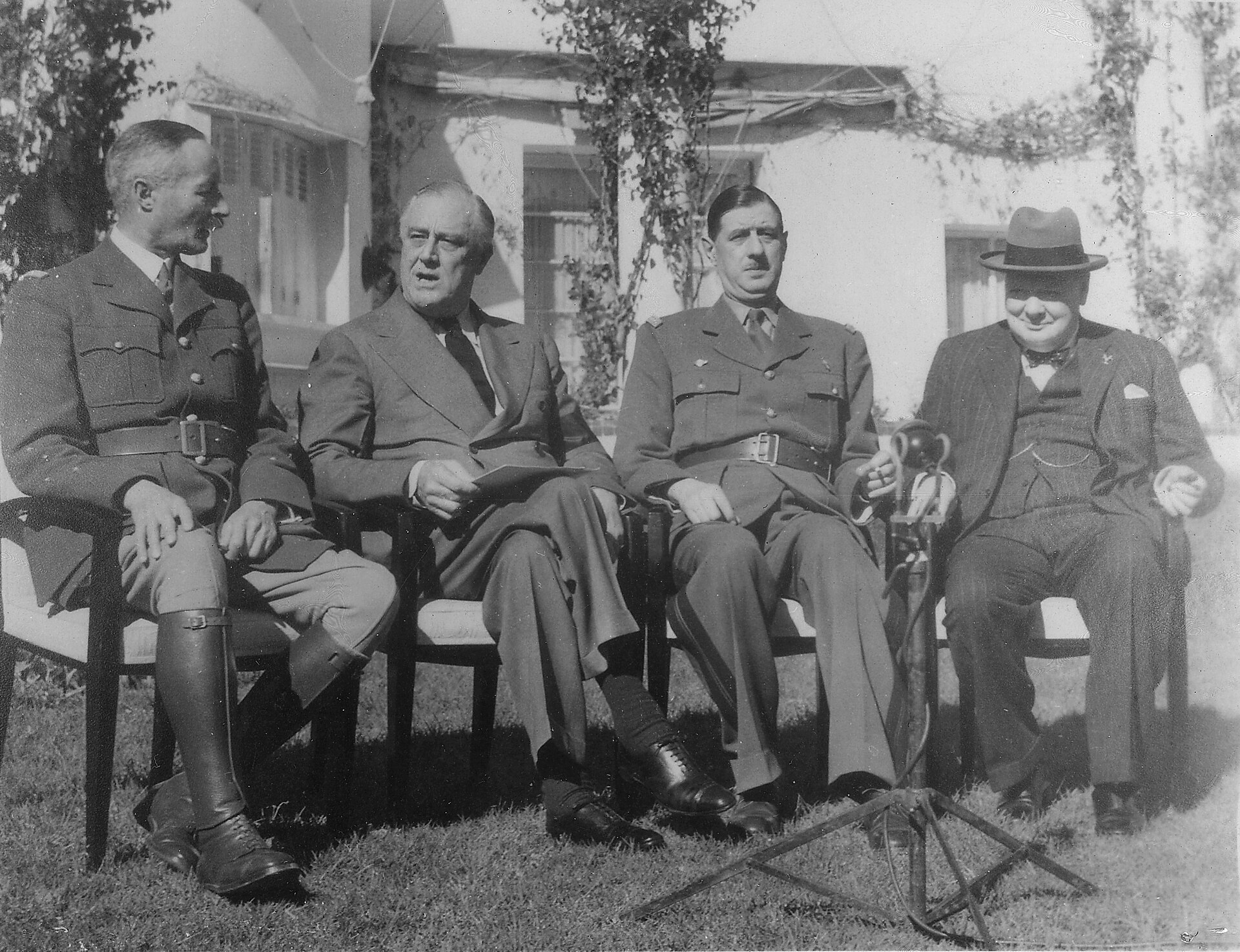
The featured archival photograph includes Giraud, Roosevelt, de Gaulle and Churchill. It should not be treated as proof that every dispute was settled by a handshake. Competing French claims to legitimacy continued through 1943. The episode highlights the difficulty of building an alliance among governments and resistance movements whose immediate military interests overlapped but whose political goals and relationships differed.
The announcement of unconditional surrender
At the closing press conference on January 24, Roosevelt announced that the Allies sought the unconditional surrender of Germany, Italy and Japan. The formulation became the conference’s most famous public outcome. Roosevelt argued that Axis governments had pursued conquest and that peace required defeating their ability to continue aggressive war. The statement was intended to clarify that the conflict would not end with a compromise leaving those regimes free to renew expansion.
Historians disagree about the exact political consequences of the announcement. Some argue it reassured Allied partners and populations under occupation; others question whether it discouraged possible divisions within Axis governments or narrowed diplomatic choices. The words also did not mean that the Allies would refuse every local surrender negotiation or agree on every detail of postwar governance. The phrase expressed an overarching war aim rather than a complete occupation plan.
How Roosevelt explained the policy
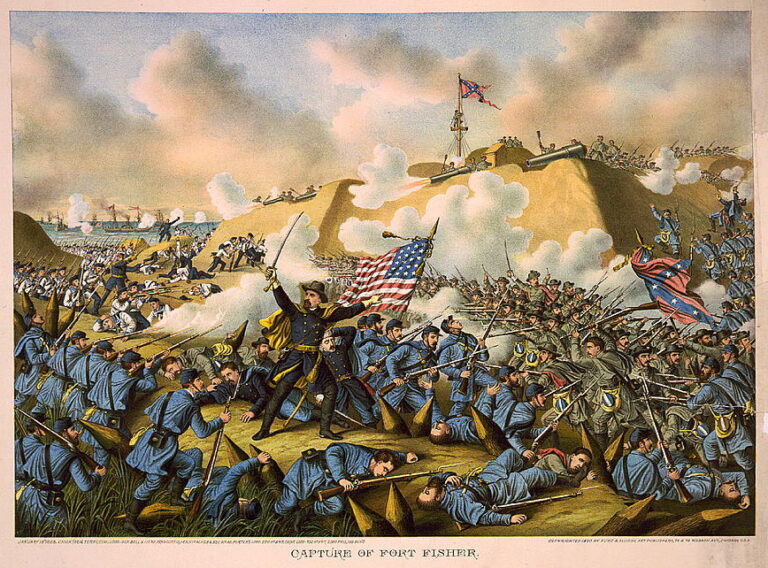
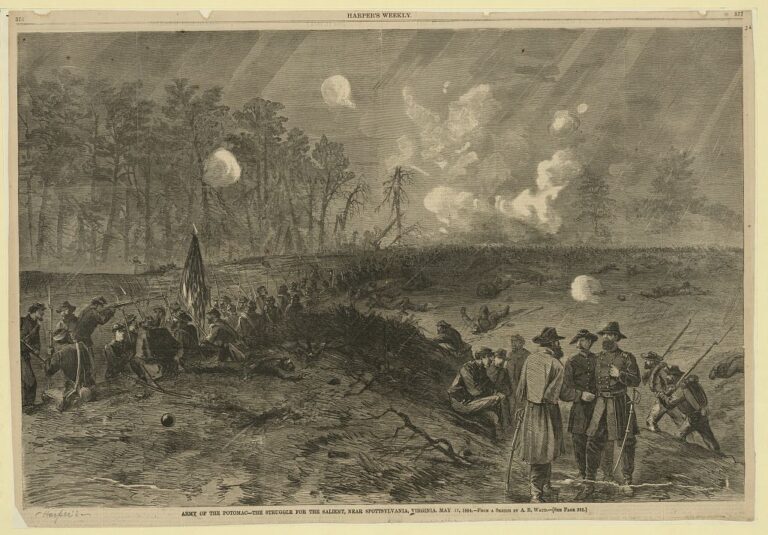
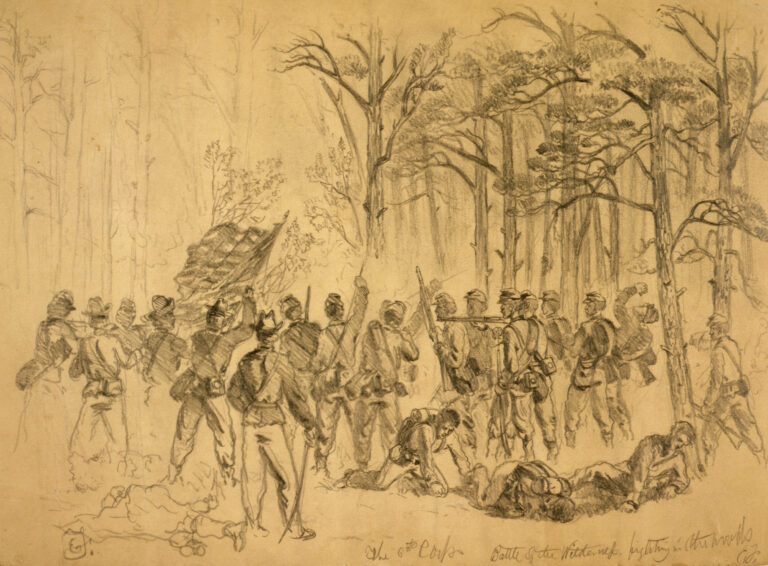
Roosevelt invoked the earlier American Civil War commander Ulysses S. Grant, associated with demands for unconditional surrender, as a useful historical analogy. He presented complete defeat of aggressive regimes as a condition for a durable peace. Churchill supported the broad approach, although the internal discussions and later recollections reveal complications in how the wording became public.
The formulation was not written into a treaty signed by all Allied governments at Casablanca. It emerged through political statements and subsequent policy. Readers should distinguish the press conference’s public message from the confidential military conclusions negotiated by chiefs of staff. Both shaped the war, but they operated through different channels and had different legal and diplomatic consequences.
Decisions concerning the Pacific war
Although the war against Germany dominated Anglo-American planning, the Pacific theater was not absent from Casablanca. Senior officers considered the resources required to confront Japan and maintain campaigns across the vast ocean. The United States was already engaged after the victories at Midway and continuing fighting around Guadalcanal. American commanders had to manage commitments to the Pacific while agreeing that Germany remained a central strategic priority.
The conference did not suspend the Pacific War or announce that Japan would be attacked only after Europe was fully liberated. Allied operations continued in multiple theaters, with competition for landing craft, ships and aircraft. The Guadalcanal campaign illustrates the simultaneous Pacific commitment during the January 1943 meetings.
What the conference changed in 1943
Casablanca strengthened coordination between the United States and Britain, gave priority to Sicily and helped clarify the next stages of European operations. It also produced the prominent unconditional-surrender declaration and a visible attempt to manage competing French leaders. Those achievements occurred amid disagreements about whether the Mediterranean strategy would delay a cross-Channel offensive.
The meeting did not end the North African campaign, defeat Italy or determine the final borders of postwar Europe. Subsequent developments required new decisions as military conditions changed. It is useful to distinguish choices made at Casablanca from the way the war later unfolded. The conference established priorities and intentions, while forces in the field and later summits shaped their implementation.
Casablanca’s place in the sequence of Allied conferences
World War II required repeated high-level coordination because coalition governments shared enemies but differed in geography, resources and political priorities. Casablanca came after the Atlantic Charter and before the Big Three summit at Tehran. Its significance lies in operational planning as well as public diplomacy. The choice of a Mediterranean campaign and the pledge of unconditional surrender influenced expectations across the coalition.
The legacy is neither a single slogan nor a photograph of famous figures. The January meetings show how Allied commanders translated broad goals into practical decisions about ships, troops, landing beaches and production. They also show that military planning interacted with questions of national legitimacy and future peace, long before Germany and Japan surrendered.
Timeline
- November 1942: Allies land in French North Africa
- January 14, 1943: Casablanca Conference opens
- January 24, 1943: Unconditional surrender publicly announced
- May 1943: Axis forces surrender in Tunisia
- July 1943: Allied invasion of Sicily
- November–December 1943: Big Three meet at Tehran
- June 1944: Allies land in Normandy
Frequently asked questions
When was the Casablanca Conference?
January 14–24, 1943.
Who attended?
Roosevelt and Churchill led the discussions with American and British military officials; French leaders de Gaulle and Giraud also attended selected meetings.
Did Stalin attend?
No. He remained in the Soviet Union during the fighting against Germany.
What does unconditional surrender mean?
It expressed the Allies’ demand for the complete surrender of Axis governments rather than a negotiated compromise preserving their military power.
What invasion was agreed at Casablanca?
The Allies agreed to invade Sicily after their North African campaign.
Did Casablanca plan D-Day?
It continued the debate over a cross-Channel invasion, but detailed Operation Overlord planning came later.
Where was the conference held?
In French Morocco, near Casablanca.
Was Italy defeated in January 1943?
No. The invasion of Sicily and fall of Mussolini’s first government followed later that year.