Wagner Act of 1935: Labor Unions, Collective Bargaining and the NLRB
How the July 1935 National Labor Relations Act protected organizing and bargaining, established the NLRB and survived a major 1937 Supreme Court challenge.
Quick answer
The National Labor Relations Act (NLRA), widely called the Wagner Act, was signed by President Franklin D. Roosevelt on July 5, 1935. It protected the rights of covered private-sector employees to organize and bargain collectively, established the National Labor Relations Board (NLRB) and prohibited specified unfair labor practices by employers. The Supreme Court upheld the law’s core constitutional authority in NLRB v. Jones & Laughlin Steel Corp. in 1937. The original statute did not cover every kind of worker and was substantially amended in 1947.
Key facts
On this page
- What problems the Wagner Act was designed to address
- Labor legislation before 1935
- Robert F. Wagner and the bill’s passage
- Section 7: organization and collective bargaining
- Section 8: unfair labor practices by employers
- Why Congress created the National Labor Relations Board
- How union elections and bargaining worked
- Which workers were excluded from the original framework?
- How employers challenged the law
- The 1937 Jones & Laughlin Supreme Court decision
- Union growth and the changing workplace
- The 1947 Taft–Hartley amendments and later legacy
- Timeline
- Frequently asked questions
- Sources
What problems the Wagner Act was designed to address
American industrial workers faced a changing economy in which large factories and corporations employed thousands of people. Many employees sought better wages, safer conditions or more influence over workplace rules, but employers could refuse to recognize unions or dismiss workers for organizing. Labor disputes sometimes became violent, disrupting production and communities. By the Depression, rising unemployment intensified workers’ insecurity while making disputes over wages and representation politically urgent.
Congress argued that repeated labor conflict could obstruct interstate commerce. Supporters of the Wagner Act believed the federal government could reduce instability by protecting employees’ choice of representatives and establishing procedures for dealing with contested elections and misconduct. Critics worried about federal interference in company management and the possibility that unions would gain excessive power. The statute emerged from those competing beliefs, not from a general rule that every disagreement between a business and its workers was a federal crime.
Labor legislation before 1935
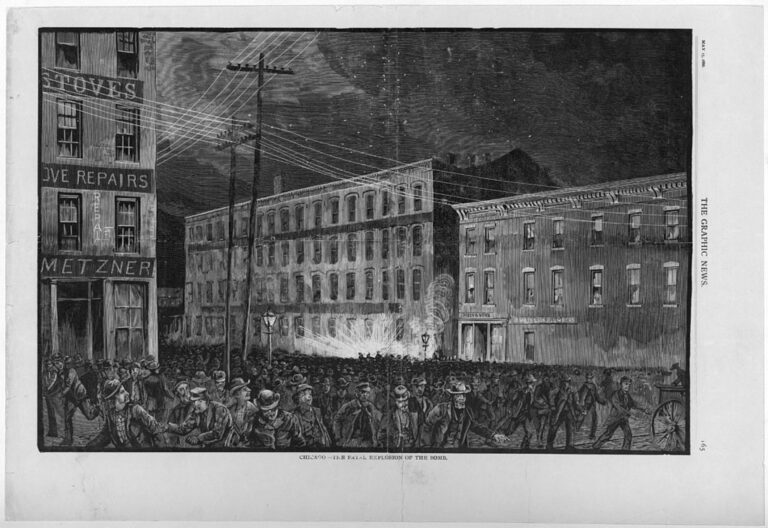
Workers had organized unions and conducted strikes long before the New Deal. Major conflicts including the Pullman Strike of 1894 illustrated how employers, unions and federal authorities could clash over industrial action. Earlier measures such as the Clayton Antitrust Act of 1914 addressed parts of the legal environment but did not create the same nationwide framework for selecting bargaining representatives in most private-sector businesses.
The National Industrial Recovery Act of 1933 included Section 7(a), which referred to employees’ rights to organize and bargain collectively. Its enforcement mechanisms proved weak, and the Supreme Court invalidated key parts of that statute in 1935. Senator Wagner had already explored stronger approaches to federal labor policy. The NLRA was therefore an attempt to make collective bargaining rights more enforceable rather than the first moment any American worker had heard of a union.
Robert F. Wagner and the bill’s passage
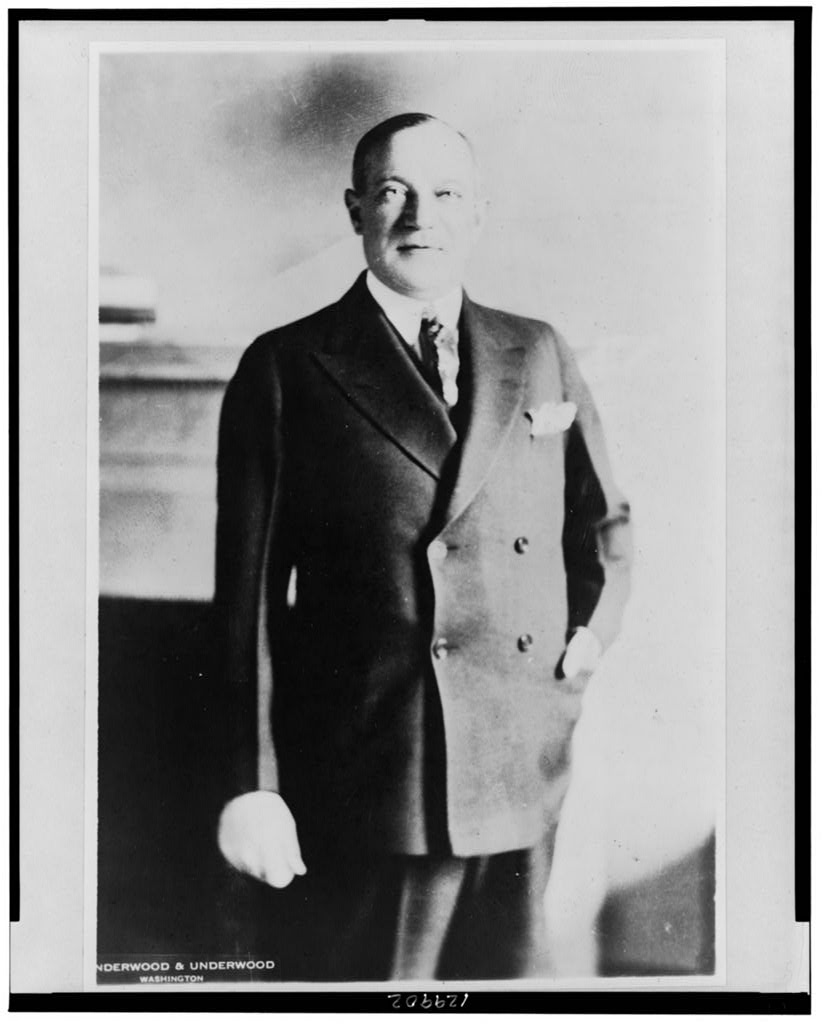
Senator Robert F. Wagner of New York introduced his National Labor Relations Act bill in February 1935. Wagner was an influential Democrat and New Deal supporter who believed legal protections could stabilize labor relations by encouraging genuine bargaining. The measure moved through Congress in the spring and early summer, with substantial support from organized labor and opposition from many employer organizations.
Roosevelt signed the final bill on July 5, 1935. The National Archives preserves the original enrolled act, and the NLRB provides a detailed institutional history. Wagner’s portrait accompanies this article to identify the bill’s principal advocate. It does not show a signing ceremony or suggest that Wagner acted alone: passage required congressional votes and presidential approval during a period of broader New Deal economic reform.
Section 7: organization and collective bargaining
Section 7 recognized the right of covered employees to organize, join or assist labor organizations, bargain collectively through representatives of their choosing and engage in concerted activities for mutual aid or protection. Those protections addressed the freedom to pursue shared workplace goals rather than requiring each worker to negotiate alone. The express Section 7 right to refrain from these activities was added later by the Taft–Hartley amendments of 1947; it should not be attributed to the original text of the 1935 law.
The act did not guarantee that every employee would win a wage increase or that a union could force an employer to agree to particular contract terms. It protected specified collective activity and established duties concerning recognition and bargaining when a union was properly selected. A workplace might still experience difficult negotiations, lawful disputes or economic hardship. The legal right to organize is distinct from a promise of any particular financial result.
Section 8: unfair labor practices by employers
The statute identified employer conduct that Congress considered unfair, including interference with protected organizing activity, domination of labor organizations and discrimination against employees for union involvement. It also addressed refusal to bargain collectively with the representative selected under the law. The aim was to prevent employers from undermining the very choice of representation that Section 7 sought to protect.
These categories required factual investigation and legal interpretation. Not every change to staffing was automatically unlawful, and an employer’s disagreement with a union did not by itself prove interference. The new framework depended on evidence about conduct and on administrative decisions subject to judicial review. By setting standards for workplace behavior, the law attempted to make collective bargaining a regular institution rather than a contest in which threats or dismissals determined whether workers could organize.
Why Congress created the National Labor Relations Board
The Wagner Act created the NLRB as an agency with responsibilities for investigating unfair labor practices and resolving questions about employee representation. The board could conduct elections, hold hearings and issue orders within its statutory jurisdiction. It was intended to provide a national process for disputes that often affected businesses operating across state lines. The agency was not the same institution as the federal Department of Labor or a labor union itself.
Representation proceedings asked which organization, if any, employees chose for collective bargaining. Unfair labor practice proceedings examined whether a party had violated statutory duties. The NLRB’s role developed through rules, administrative decisions and court review. A central historical achievement was establishing a continuing agency able to enforce labor rights rather than relying only on voluntary promises or one-time crisis mediation.
How union elections and bargaining worked
Employees could seek collective representation, and the board could determine an appropriate bargaining unit and conduct an election when necessary. A union selected as the representative gained a legal role in negotiating employment terms for the covered unit. The employer then had a duty to bargain in good faith, although that duty did not require agreement on every demand. Disputes over unit definitions, voting eligibility and employer interference could become complicated.
The 1935 system was not identical to every election procedure used by the NLRB today. Later legislation and administrative decisions changed election practices, remedies and the scope of the board’s jurisdiction. Historical descriptions should therefore distinguish the principle Congress enacted from the modern regulatory details created later. The underlying policy was that workers’ choice should be determined by protected procedures rather than employer selection of a favored organization.
Which workers were excluded from the original framework?
The NLRA was not a universal labor code. The law’s definition of employee excluded agricultural laborers, people employed in domestic service in private homes and certain other categories. Railway workers were governed by a separate labor-relations framework, while public employees did not receive the same private-sector NLRA coverage. Later amendments changed or clarified other exclusions, including the treatment of supervisors.
These limits had major consequences because many Black workers, women and workers in low-paid occupations were concentrated in sectors outside the statute. The distribution of protection was therefore unequal even while the law strengthened organizing rights for many industrial and commercial employees. A responsible history recognizes both the new federal guarantee and the groups left without it. The statute did not end racial or gender discrimination in employment, and labor movements themselves had internal divisions over inclusion.
How employers challenged the law
Employer organizations quickly questioned the act’s constitutionality, arguing that Congress had exceeded its authority over labor relations in businesses that operated inside individual states. Some employers resisted board orders, and litigation tested whether the federal government could regulate labor practices based on their effects on interstate commerce. The legal dispute occurred during a period when the Supreme Court had invalidated other major New Deal economic legislation.
The agency needed court support to enforce its decisions. Without that authority, workers might possess formal statutory rights but find them difficult to exercise when a large employer refused to comply. The challenge therefore went to the heart of the system: whether national regulation of labor relations could survive constitutional scrutiny. The NLRB’s history describes the uncertainty that surrounded enforcement until the Court decided a major case in 1937.
The 1937 Jones & Laughlin Supreme Court decision
In NLRB v. Jones & Laughlin Steel Corporation, decided April 12, 1937, the Supreme Court upheld the NLRA’s constitutional application to the steel company by a five-to-four vote. The Court accepted that labor disputes in a major industrial enterprise could have a substantial effect on interstate commerce. The ruling supported Congress’s authority to regulate practices that threatened to disrupt commerce even where particular employment relationships were located within a state.
The decision was a turning point but did not mean every later NLRB action would automatically be lawful. Individual cases still required facts and legal analysis. Other statutes and judicial interpretations would continue to shape labor policy. The importance of Jones & Laughlin lies in securing the principal constitutional foundation for the Wagner Act during a period when the future of several New Deal programs was uncertain.
Union growth and the changing workplace
The Wagner Act helped create conditions for substantial union organizing in manufacturing and other eligible private industries. The Congress of Industrial Organizations and unions within major sectors pursued representation among workers who had previously lacked stable collective-bargaining institutions. Large organizing campaigns, strikes and negotiations occurred during the 1930s. The law did not itself compel workers to join unions, but its protections and enforcement mechanisms changed the calculations facing both workers and employers.
Union success varied by workplace, industry, region and employer strategy. Organizing could be difficult even after the Supreme Court upheld the law, and conflicts sometimes involved severe violence or intimidation. Women, Black workers and other groups encountered uneven inclusion within particular labor organizations. Evaluating the act’s impact requires understanding those circumstances instead of treating national union membership figures as proof that every worker benefited equally.
The 1947 Taft–Hartley amendments and later legacy
Congress substantially amended the National Labor Relations Act through the Taft–Hartley Act of 1947. That later law added new restrictions on certain union practices and adjusted the balance of legal responsibilities between employers and labor organizations. It also addressed the place of supervisors and other categories in the framework. The 1947 provisions should not be mistakenly attributed to the original Wagner Act signed in 1935.
The NLRA remained a central foundation of U.S. private-sector labor law, although the details of coverage and enforcement continued to evolve. Its historical significance is that it protected workers’ choice of collective representation and created a federal agency to make those protections more than symbolic. Understanding the law requires holding together its achievements, statutory exclusions and subsequent revisions, rather than describing it as either complete freedom for all workers or an unlimited power granted to unions.
Timeline
- 1894: Pullman Strike highlights federal labor conflict
- 1933: National Industrial Recovery Act includes Section 7(a)
- February 1935: Wagner introduces his bill
- July 5, 1935: NLRA enacted
- April 12, 1937: Supreme Court upholds major application in Jones & Laughlin
- Late 1930s: Industrial union organizing accelerates
- 1947: Taft–Hartley amends the law
Frequently asked questions
When was the Wagner Act signed?
July 5, 1935, by President Franklin D. Roosevelt.
What is the Wagner Act’s official name?
The National Labor Relations Act of 1935.
What does Section 7 protect?
Organizing, collective bargaining and specified concerted activities of covered employees.
What is the NLRB?
The federal National Labor Relations Board, created to administer representation matters and enforce specified labor rights.
Did the law guarantee a wage increase?
No. It protected the process of collective bargaining, not a particular contract outcome.
Was every worker covered?
No. Agricultural, domestic and certain other workers were excluded from the original private-sector framework.
When was the act upheld by the Supreme Court?
In the 1937 Jones & Laughlin Steel decision.
What was Taft–Hartley?
A 1947 law that significantly amended the NLRA.