Continental Army (1775–1783): Soldiers, Organization and Daily Life
Who joined the army, how its units operated, and what made a sustained war possible.
The Continental Army was established by the Continental Congress on June 14, 1775, to coordinate colonial forces during the American Revolutionary War. George Washington became commander in chief. Unlike local militia, the army aimed to maintain a national fighting force, although it faced constant recruitment, supply, pay and training problems. Its soldiers and support communities included people of varied backgrounds, and most wartime formations were demobilized after independence in 1783.
Understand the founding resolutions, regulars versus militia, weapons, rations, soldiers of color, women’s labor, supply problems and the army’s evolution through the war.

On this page — 23 topics
What was the Continental Army?
The Continental Army was the principal regular military force organized by the American colonies and then the United States during the Revolutionary War. It was formally established by the Continental Congress on June 14, 1775, when representatives assumed responsibility for troops already gathering outside British-held Boston. The force served alongside state militia units but was not identical to them.
Its history spans the formation of a national military institution before the United States had an established federal constitution. Soldiers faced experienced British regulars, German troops in British service, Loyalist forces, and other opponents across different campaigns. They also struggled with recruiting, supplies, military training, medical care, and political oversight. Explaining those challenges helps clarify how the American cause survived prolonged warfare.
Why was the army created in June 1775?
After the battles of Lexington and Concord, thousands of New England militiamen surrounded British-occupied Boston. Those soldiers had been raised under varying colonial arrangements, without one secure national command or funding system. When the Second Continental Congress met in Philadelphia, it recognized that a shared military force was necessary for coordinated defense.
On June 14, 1775, Congress adopted the army surrounding Boston as a Continental force and authorized additional expert rifle companies from Pennsylvania, Maryland, and Virginia. The resolution also reflected an intention to unite the colonies politically through military responsibility. The new institution still had to be built in practice through appointments, enlistments, supplies, and rules.
Who commanded the Continental Army?
Congress appointed George Washington commander in chief on June 15, 1775. Washington had previous military experience and was a respected Virginia political leader, making him a useful choice for linking northern and southern support. He arrived outside Boston in early July and began the difficult work of organizing the assembled units.
Washington was not the only important leader. Generals such as Nathanael Greene, Henry Knox, Daniel Morgan, and others managed campaigns, training, artillery, and logistics. Their responsibilities changed over time, and disagreements were common. The senior command operated under civilian political authority, with Congress exercising control over appointments and policy even though it could not direct every battlefield decision.
How did the army differ from colonial militia?
Militia units were generally organized by colonies or states, with service obligations and local patterns of recruitment. The Continental Army sought a more sustained regular force that could operate beyond a soldier’s home region and remain together through major campaigns. This distinction was important because Washington could not rely exclusively on short-term local mobilization to confront British professional armies.
In practice, the boundary between militia and Continental service was complicated. Men could serve in different capacities over time, and state political systems influenced recruitment and military support. Militia often made important contributions to battles and local defense. The army’s strategic problem was how to combine regular formations with locally raised forces without expecting every soldier to possess identical experience, equipment, or enlistment terms.
How were soldiers recruited?
The Continental Army drew volunteers and recruits from different states, social backgrounds, and occupations. Recruitment terms, incentives, enlistment periods, and state quotas changed as the war continued. Some men joined for patriotic reasons, others sought pay or bounties, and many made decisions shaped by family obligations, economic hardship, and local political pressures.
Officers repeatedly struggled with enlistments expiring just when campaigns required experienced troops. Some states were reluctant or unable to meet quotas; others used substitutes or additional financial incentives. Describing the whole army as a single group of lifelong professional soldiers would be inaccurate. Its composition changed significantly between the early campaigns of 1775 and the later years of the war.
How was the army organized?
The army included infantry regiments, artillery elements, cavalry, staff officers, and specialized support functions. Units were grouped into larger formations for field operations, but their exact numbers and structures changed over time. Congress and Washington attempted to standardize organization so that officers could manage marching, drills, defense, and battle more effectively across units from different regions.
A regiment on paper was not necessarily a regiment at full authorized strength. Illness, desertion, casualties, temporary assignments, and enlistment expiration could leave a formation much smaller than its official establishment. Historical strength figures therefore require care: a return listing ‘present for duty’ answers a different question than one listing all men enlisted or attached to a regiment.
What weapons did Continental soldiers use?
Infantrymen most commonly used muzzle-loading flintlock muskets, sometimes fitted with bayonets. American forces acquired a mixture of locally held weapons, captured arms, British-pattern muskets, and French-supplied equipment. Riflemen could provide accurate fire at longer distances under suitable conditions but generally had limitations in loading speed and bayonet use compared with regular musket formations.
Artillery included field guns and heavier pieces that required transport, ammunition and specialist crews. The famous recovery of cannon from Fort Ticonderoga by Henry Knox helped change the Siege of Boston in 1776. Weapon quality mattered, but the ability to supply powder, move guns, train soldiers, and repair equipment was equally important.
What did a Continental soldier eat?
Army rations could include bread or flour, meat, peas, beans, rice, and other foods depending on period and availability. Official allowances did not guarantee that every soldier received exactly what was promised. Weather, supply failures, currency problems, local agriculture, and enemy movements could interrupt deliveries. Soldiers sometimes supplemented rations through purchases or foraging.
Food preparation required fuel, cooking utensils, clean water, and time. Even well-supplied armies could suffer sickness when water or sanitation was poor. The severe supply difficulties at Valley Forge in 1777–1778 show why military logistics affected strategic readiness. The soldier’s daily meal was connected to congressional finance and the work of the quartermaster and commissary systems.
What clothing and uniforms did they wear?
Continental soldiers did not begin the war with one universally consistent uniform. Clothing varied by state, unit, season, and available supply. Some regiments received coats and equipment that resembled later familiar images of blue-coated American soldiers, while others wore mixed civilian and military garments. Footwear and blankets could be scarce during periods of poor supply.
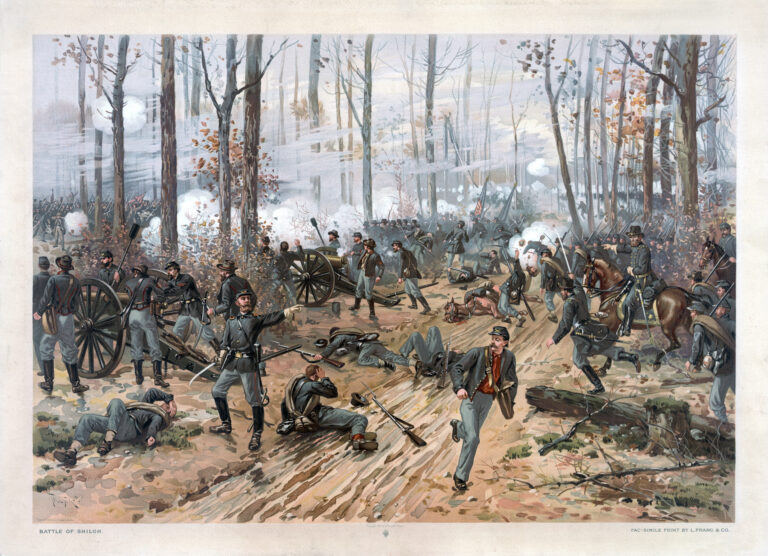
Uniform appearance mattered for identification and discipline, but a historical painting showing every soldier in matching clothing is often a simplified commemorative image. Surviving orders, inventories, muster records, and archaeological evidence provide a more reliable picture. Soldiers sometimes remained fit for duty without complete uniforms, while serious shortages could prevent men from marching or standing guard.
Were Black Americans in the Continental Army?
Yes. Free and enslaved Black men served in the American military effort, although the policies governing enlistment, compensation and emancipation varied over time and among states. The army’s composition cannot be described accurately as exclusively white. Some Black soldiers fought in integrated units, while others served in formations shaped by particular state recruitment policies.
Service did not automatically secure freedom or legal equality. The experiences of individuals depended on previous status, promises made during enlistment, the policies of state governments, and the actions of officers. The U.S. Army’s Continental Army historical collection provides research on Black American service and the continuing presence of slavery during the war.
What roles did women and families play?
Women and children accompanied army communities, sometimes as relatives of enlisted soldiers and sometimes in other roles. Women laundered clothes, cooked, nursed the sick, repaired garments, delivered messages, and performed work necessary to keep camps operating. Some were paid; others worked in conditions shaped by dependence, poverty, or enslavement.
Their contributions were not decorative additions to military life. Clean clothes, food preparation, nursing, and family support directly affected health and morale. Numbers varied from one camp to another, and surviving records identify only a fraction of participants. The U.S. Army’s women and families overview places these labor roles within the wider history of the Continental force.
How did Native nations encounter the army?
Indigenous nations were not a single political bloc during the Revolution. Different communities weighed alliances with Britain, the United States, or neither side according to their interests and the threats they faced. Some Native warriors served alongside Continental forces or supplied intelligence, while others fought against American military expansion.
Military campaigns on the frontier also exposed Indigenous civilian communities to destruction, displacement, and competing territorial claims. The history of the Continental Army therefore includes more than east-coast battles between British redcoats and American Patriots. Treaties, scouting, frontier operations, and conflicts over land are essential parts of the army’s wartime record.
How were soldiers paid and supplied?
Congress attempted to raise money through loans, paper currency, and requests for support from states. The absence of a dependable national revenue system made timely wages and procurement difficult. Quartermasters needed to organize wagons, equipment, tents, clothing and transportation, while commissaries helped procure and distribute food.
Promised pay could lose purchasing power as wartime inflation increased. Soldiers and suppliers sometimes complained that commitments were not honored. Poor logistics could delay marches even when commanders had sound military plans. The U.S. Army history of Revolutionary sustainment documents the early creation of military support offices and explains why logistics was a decisive part of the war effort.
What did disease and medical care look like?
Disease was one of the greatest threats to eighteenth-century armies. Men lived in crowded camps, moved through unfamiliar regions, and sometimes lacked sufficient food, clean water, or winter clothing. Medical officers and orderlies faced illnesses for which contemporary treatments were limited. Smallpox prevention became an especially important concern for military leadership.
Washington supported a program of smallpox inoculation during the war, although it required organization and carried risks. Camp sanitation, the movement of sick soldiers, and the supply of hospitals could affect whether a force remained operational. Deaths from disease were a recurring problem, not simply a unique feature of the winter at Valley Forge.
How did training change the army?
Early Continental units entered service with differing militia practices and levels of experience. Officers attempted to improve drill and discipline throughout the war. At Valley Forge in 1778, Friedrich Wilhelm von Steuben became closely associated with standardizing movements, weapons handling, inspections, and the training of officers who could instruct other soldiers.
The reforms did not create an effective army overnight. They built on earlier experience and required repeated practice. The later printed Regulations for the Order and Discipline of the Troops of the United States helped codify many procedures. Consistent training mattered because regiments from different states needed to maneuver together and respond to commands under battlefield pressure.
What were the army’s biggest campaigns?
The Continental Army participated in the Siege of Boston, the defense of New York, the Trenton and Princeton campaign, the Philadelphia campaign, the Battle of Monmouth, and later operations culminating in Yorktown. Regional campaigns and state militia actions contributed to the wider war.
Battles cannot be judged only by immediate victory or defeat. Washington preserved the army after setbacks, while American successes such as Saratoga influenced diplomacy. French military and naval support later helped defeat British forces at Yorktown. The army’s story is therefore one of survival, adaptation, alliances, and sustained campaigning over years.
What happened to the army after the war?
After victory and the Treaty of Paris in 1783, the United States faced difficult questions about maintaining a large standing army, paying veterans, and protecting the frontier. Washington resigned his commission in December 1783, reinforcing the principle that military authority should remain subject to civilian political government.
The large wartime Continental Army was largely demobilized, while a much smaller peacetime force continued under congressional authority. The transition was not a simple uninterrupted retention of every Revolutionary regiment. The later United States Army recognizes the Continental Army as an institutional origin, while its organization changed repeatedly under the Confederation and Constitution.
Continental Army timeline
The main institutional and military milestones show how the force changed from its founding in 1775 to the end of the war. The chronology separates the creation of the army from later reforms and international developments.
| Date | Event |
|---|---|
| June 14, 1775 | Congress establishes the Continental Army. |
| June 15, 1775 | Washington appointed commander in chief. |
| March 1776 | British evacuate Boston. |
| December 1776–January 1777 | Trenton and Princeton campaign. |
| Winter 1777–1778 | Valley Forge encampment and training reforms. |
| 1781 | Yorktown campaign and British surrender. |
| 1783 | Peace settlement and demobilization. |
What myths surround the Continental Army?
A common assumption is that all soldiers were committed to independence from the start. In reality, the army was created in June 1775 when Congress still sought reconciliation with Britain. Another is that troops wore identical blue uniforms throughout the war; clothing and equipment varied considerably. A third is that militia and Continental regulars were interchangeable organizations.
Patriotic imagery sometimes portrays Washington’s forces as universally well trained and supplied. The historical record shows persistent recruitment, disease, pay, and transport problems. These difficulties do not diminish the achievement of continued resistance; they make it more comprehensible. The army’s effectiveness developed through policy, discipline, labor, and battlefield experience rather than existing fully formed in 1775.
Frequently asked questions about the Continental Army
When was it founded? June 14, 1775.
Who commanded it? George Washington was commander in chief.
Was it the same as the militia? No; militia were primarily organized by colonies or states.
Did Black soldiers serve? Yes, under varied legal and military conditions.
Did women support the army? Yes, including through nursing, cooking, laundry, and camp labor.
Was every soldier a volunteer for life? No; enlistment rules and terms changed.
When did it end? Most wartime forces were demobilized after independence was secured in 1783.
How should the Continental Army be studied?
Begin with the U.S. Army Center of Military History’s collection for its founding, organization, soldiers, and social history. The Army’s account of congressional authorization documents the June 1775 decision, while the sustainment history explains the support systems often missing from battle-centered narratives.
Compare these institutional sources with individual letters, muster rolls, army orders, and accounts of particular campaigns. A roster can establish service dates but not necessarily motives; a general’s complaint may reveal a serious shortage but not describe every regiment. Combining different evidence is essential when reconstructing the experiences of an army that changed continuously across eight years of war.
Historical sources and further reading
Use the U.S. Army’s institutional histories together with surviving military records and location-specific research to compare organization with individual experience.